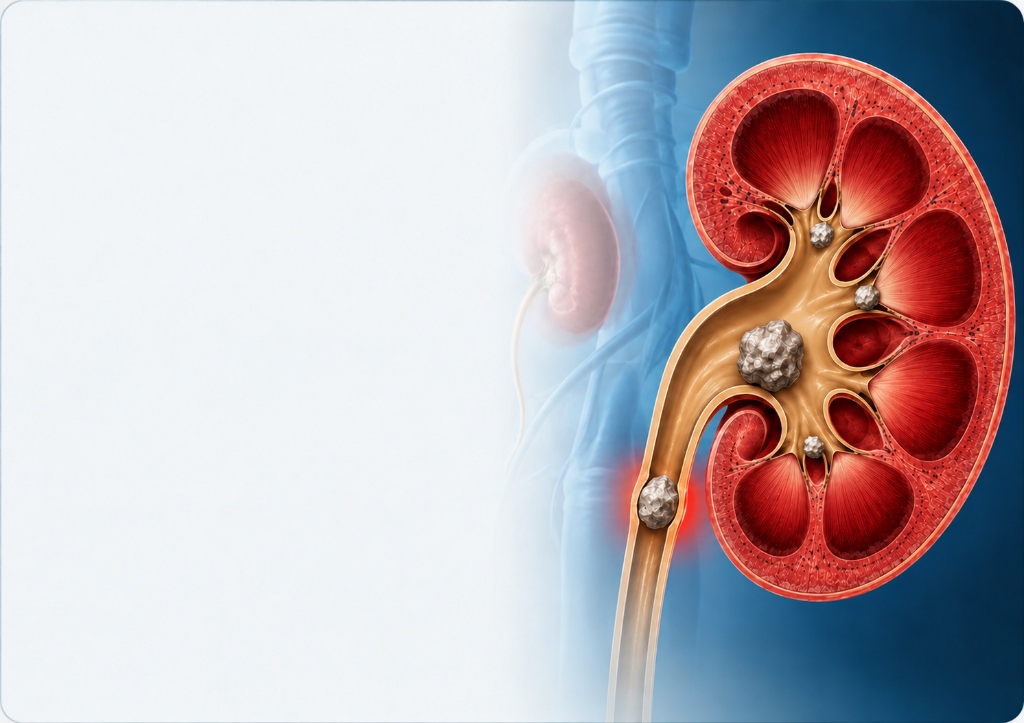
Kidney stones can cause severe pain and complications if left untreated.
Our urology
specialists use advanced imaging and modern treatments to diagnose accurately and
remove stones safely and effectively.
Advanced Imaging
Laser & Minimally Invasive
Personalized Care
Compassionate Support
Get a call back from our medical experts
25+ Years
Healthcare Experience
5 LAKHS +
Happy Patients
2 LAKHS +
Laparoscopic Surgeries
10,000 +
Robotic Surgery

The doctor reviews your symptoms, previous stone episodes, medical history, current medicines and available reports.
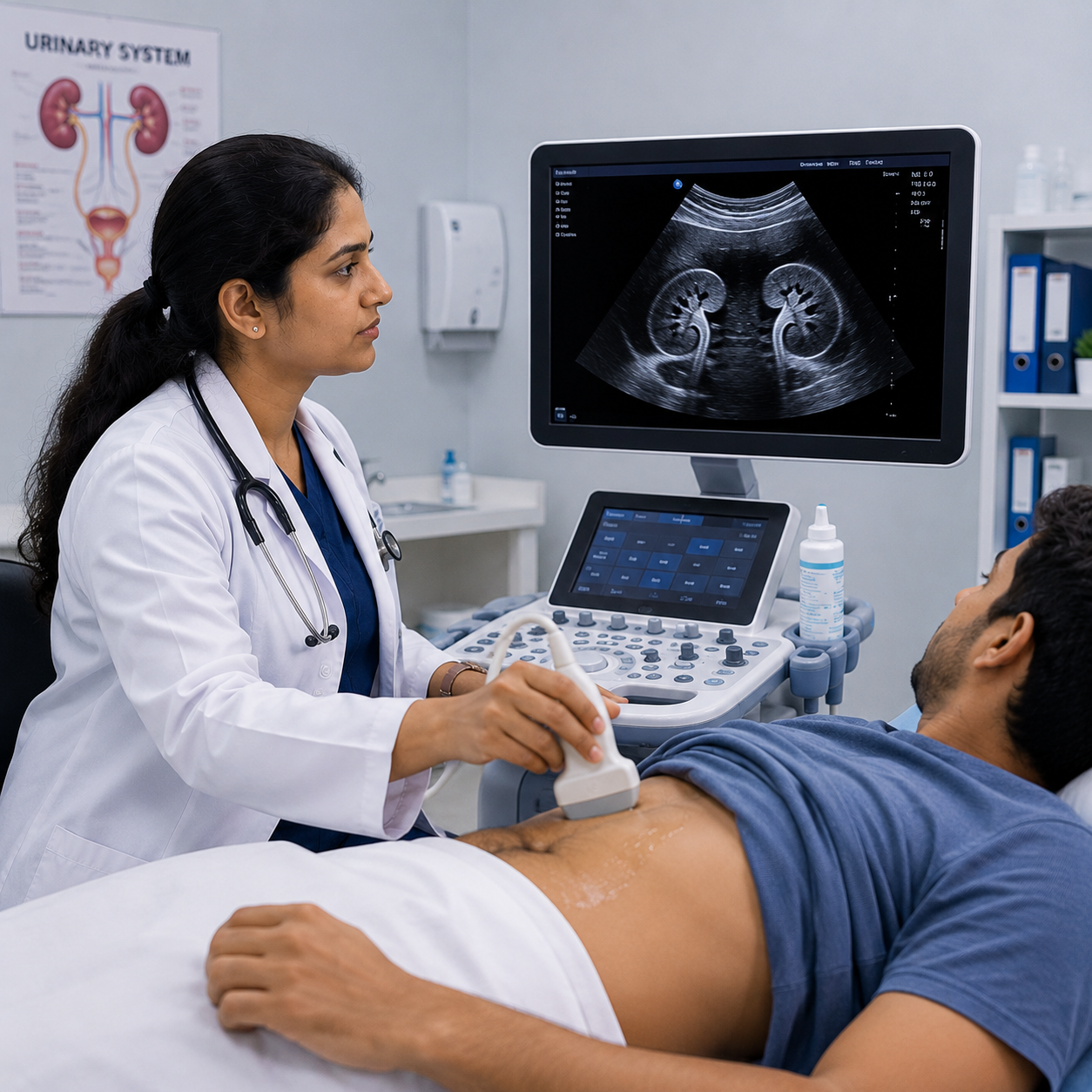
Ultrasound may be used as an initial imaging test to identify stones and urinary obstruction.
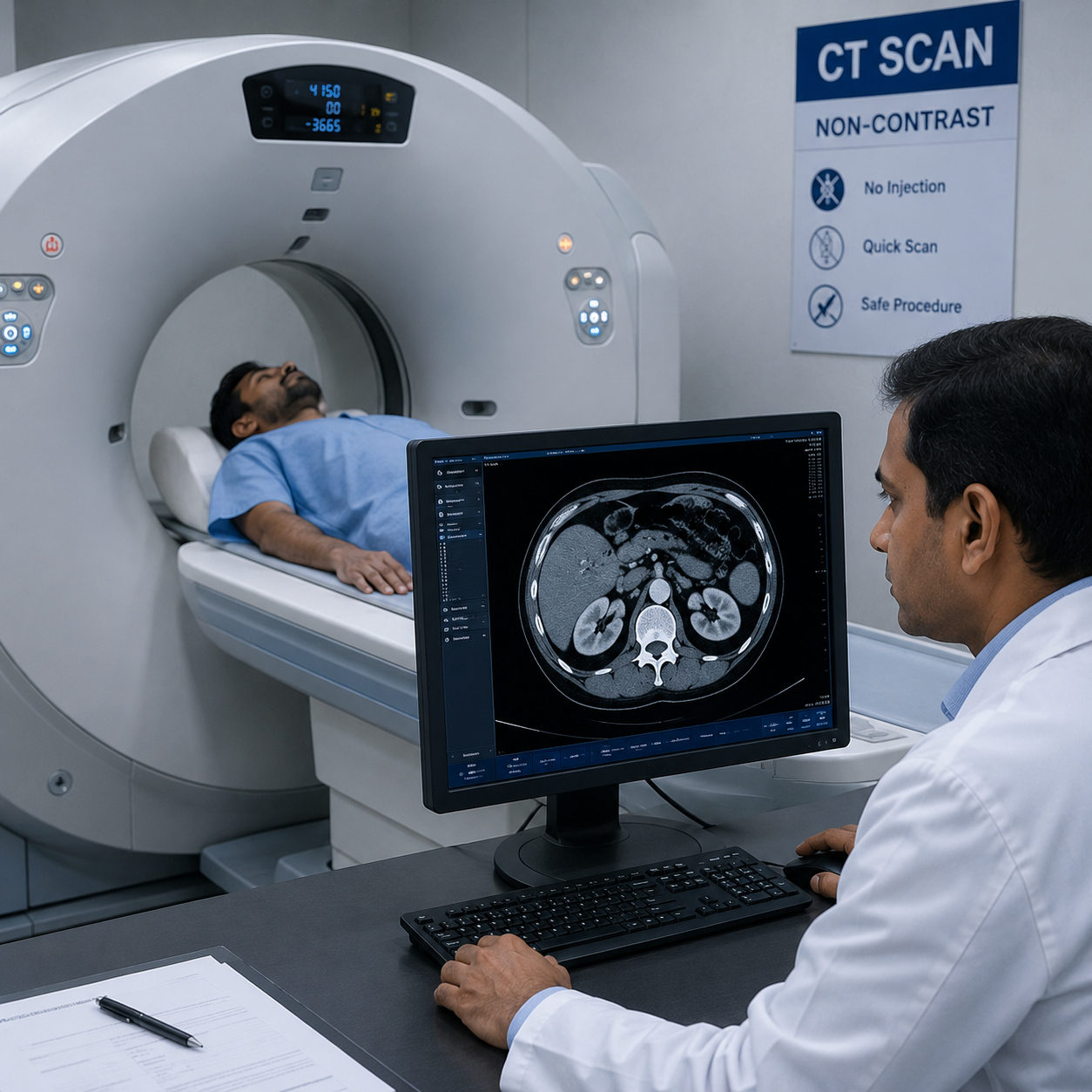
A CT scan can provide detailed information about the stone’s size, number, location and density.
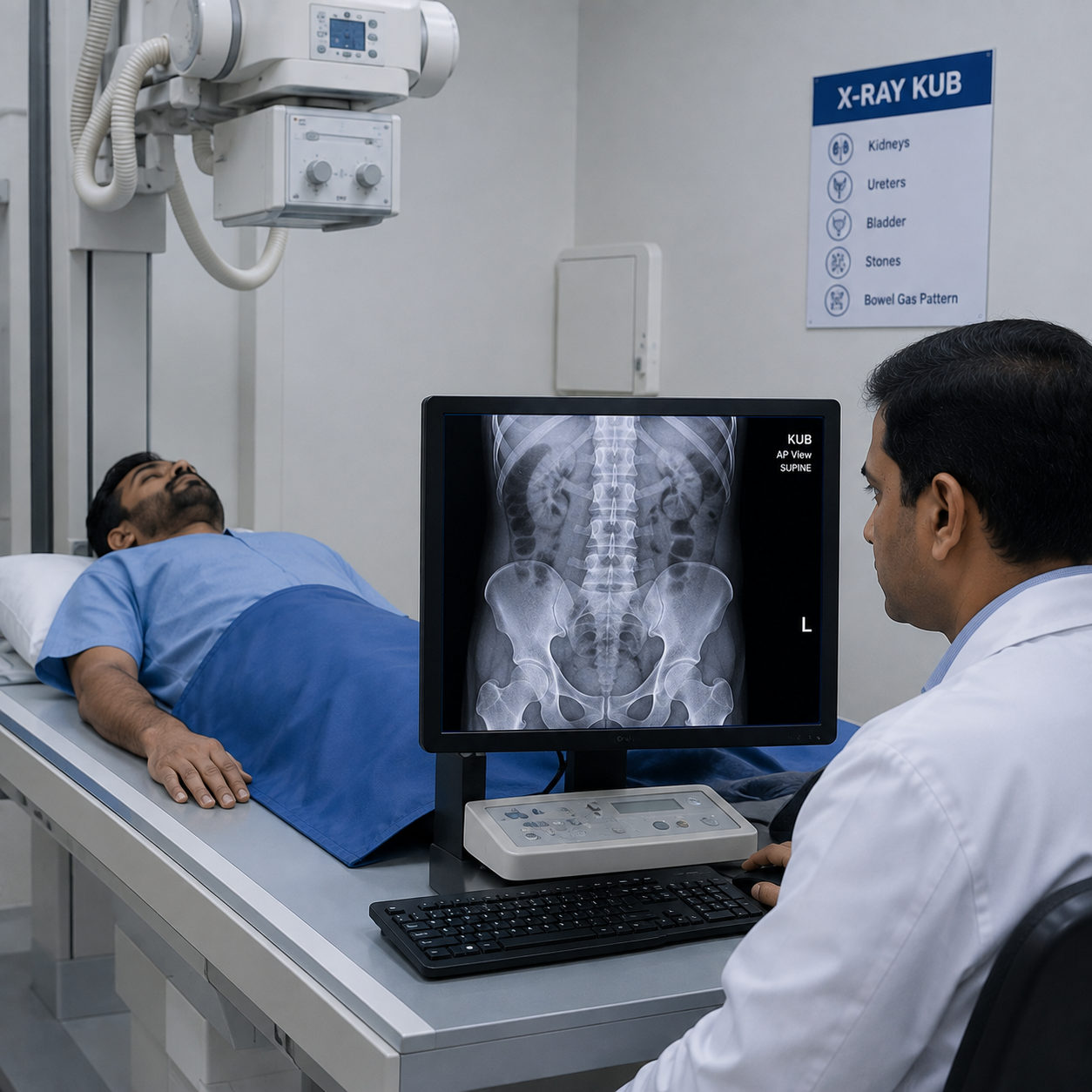
An X-ray of the kidneys, ureters and bladder may be advised for selected stones and follow-up evaluation.

Urinalysis or urine culture may be advised to check for blood, infection and other abnormalities.

Tests may be recommended to evaluate kidney function, calcium, uric acid and other relevant markers.
Not every patient requires every investigation. Tests are selected according to the symptoms and clinical findings.
Kidney stones are hard deposits formed when minerals and salts in the urine crystallise. They may remain inside the kidney or move into the ureter, where they can cause pain, urinary blockage or infection.
Some smaller stones may pass naturally with hydration, while others require treatment based on their size, location, and effect on the urinary system.
Evaluated based on size & location
Medical or minimally invasive care
Some smaller stones may pass naturally or with medicines and clinical monitoring.
Stones moving into the ureter may cause severe pain or block normal urine flow.
Larger stones may require laser treatment, SWL or minimally invasive surgery.
A blocked urinary tract accompanied by fever or infection may require urgent treatment.

Selected smaller stones may be managed with medicines, hydration guidance and clinical monitoring.
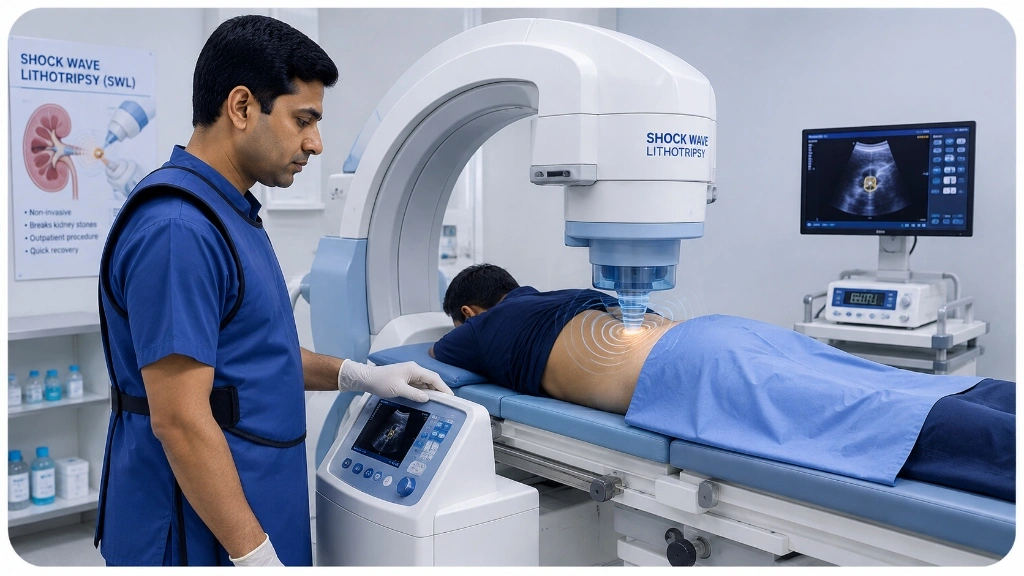
Shock waves are used to fragment suitable stones into smaller pieces that may pass through the urinary tract.
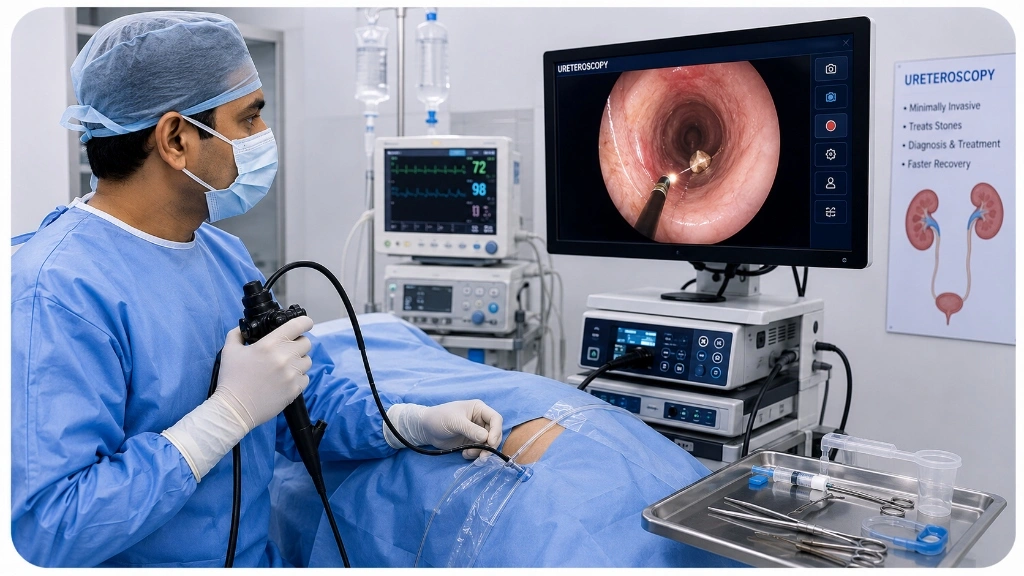
A thin scope is passed through the urinary tract to locate and treat stones in the ureter or kidney.
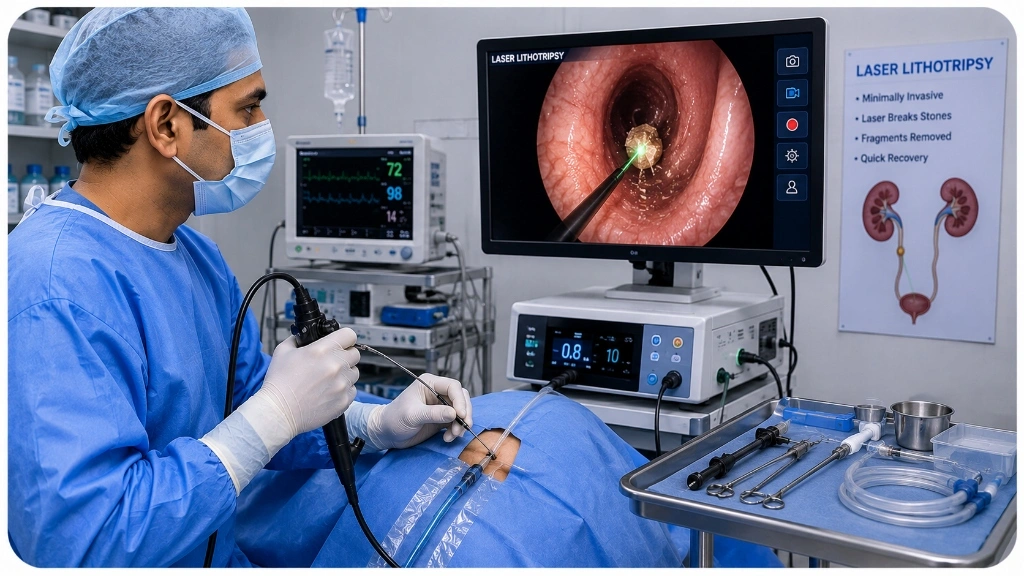
Laser energy may be used during an endoscopic procedure to break a stone into smaller fragments for removal or natural passage.
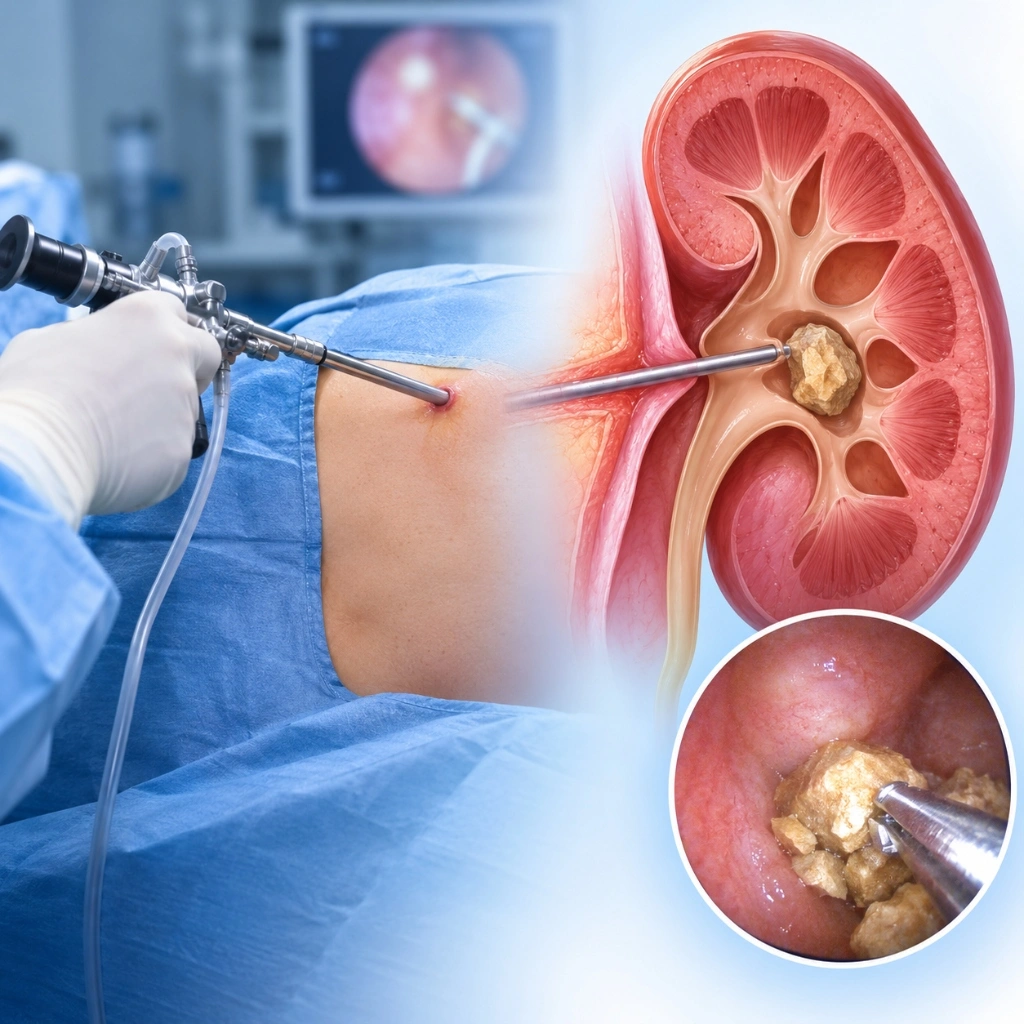
PCNL may be considered for selected large or complex kidney stones. The kidney is accessed through a small opening in the back.
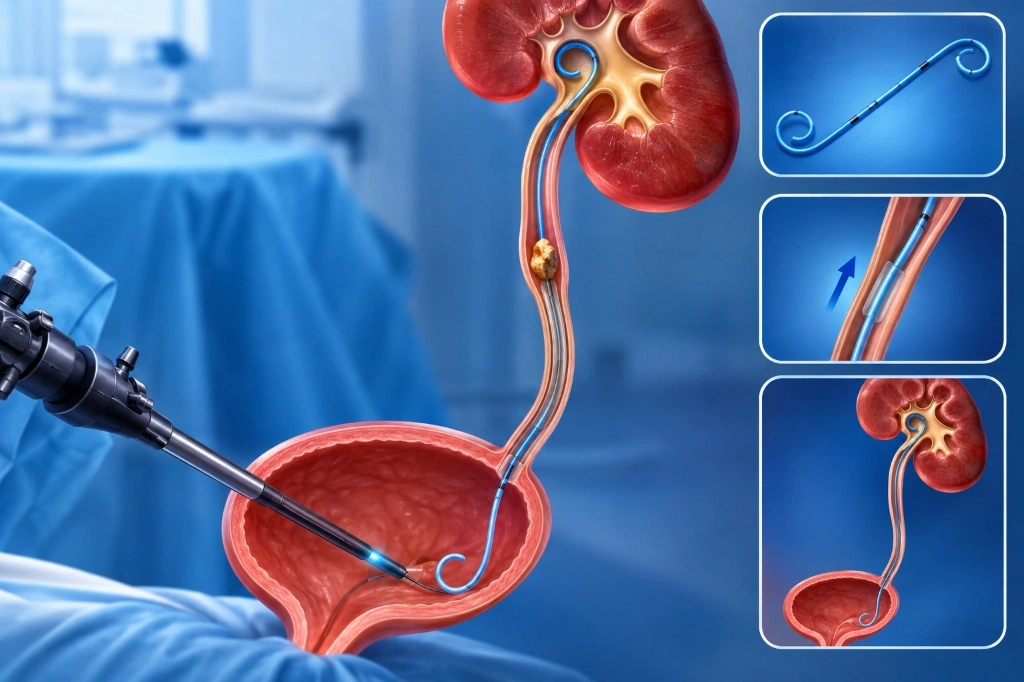
A temporary ureteric stent may be placed in selected cases to support urine drainage before or after stone treatment.
The appropriate treatment is recommended only after examination and diagnostic evaluation.
Urologists evaluate kidney stones and other conditions affecting the kidneys and urinary system.
Our team confirms your preferred hospital centre and appointment schedule.
Discuss your symptoms, previous stone episodes and available medical reports.
Imaging, urine tests or blood tests may be advised to understand the stone and kidney function.
The urologist explains suitable medical or procedural options based on the findings.
Follow-up imaging, hydration advice and dietary guidance are provided according to your condition.
Our specialists provide medical and surgical care for different types of kidney stones with a focus on patient comfort, precise diagnosis and individual treatment requirements.
Watch GEM Hospital’s urologists explain kidney-stone symptoms, investigations and available treatment approaches.
Get your symptoms, scans and previous reports evaluated by GEM Hospital’s urology team.
Treatment recommendations, procedure suitability, recovery and outcomes vary according to the stone’s size, location and complexity and the patient’s overall health.
Patients often search for us with these terms. If any of these match your concern, you're in the right place.